FAQs

How do I know if my child needs a dyslexia assessment?

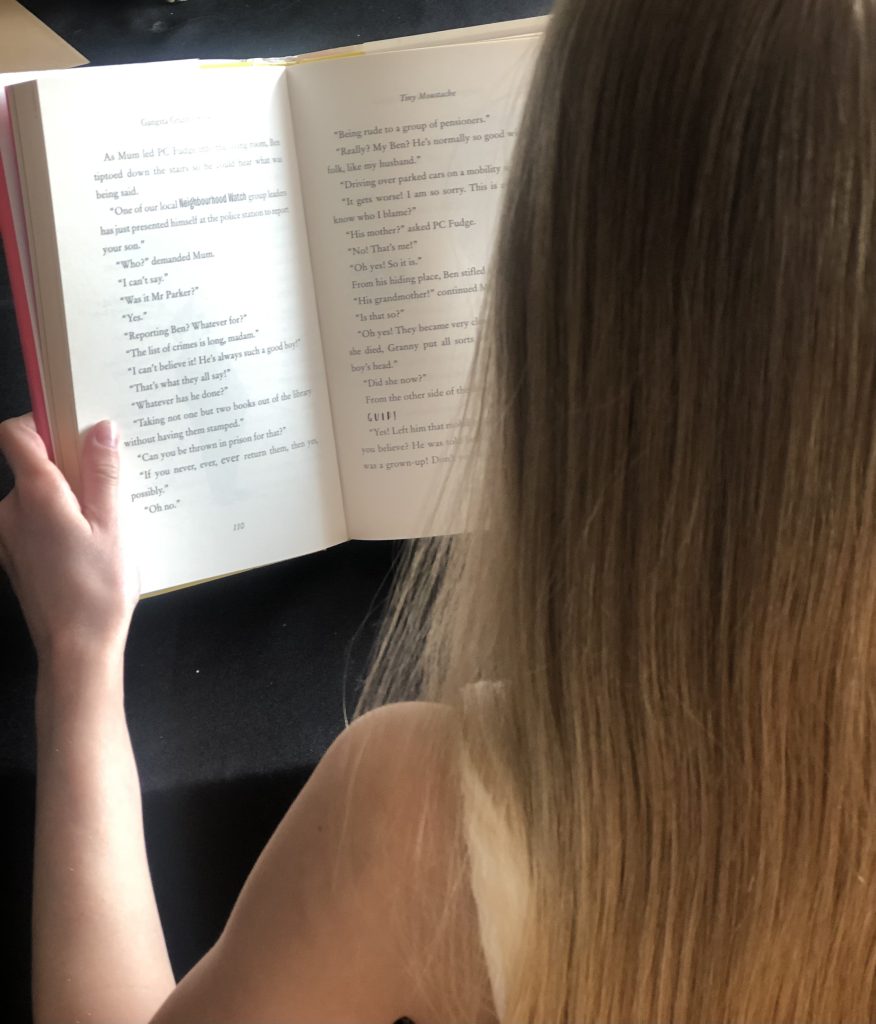
If your child finds reading, spelling, or remembering instructions harder than expected for their age, even though they are trying their best, a dyslexia assessment may help. Other signs can include:

  • Ongoing difficulty with phonics

  • Slow or inaccurate reading

  • Trouble learning new words

  • Challenges with working memory and organisation

Every child is different, and the signs aren’t always obvious. If you’re unsure, I’m happy to talk things through and help you decide whether an assessment is the right step. Please feel free to get in touch for an informal chat.

Screening vs Full Assessment

A screening can give a general indication of whether your child shows traits linked to dyslexia, but it cannot provide a formal diagnosis.

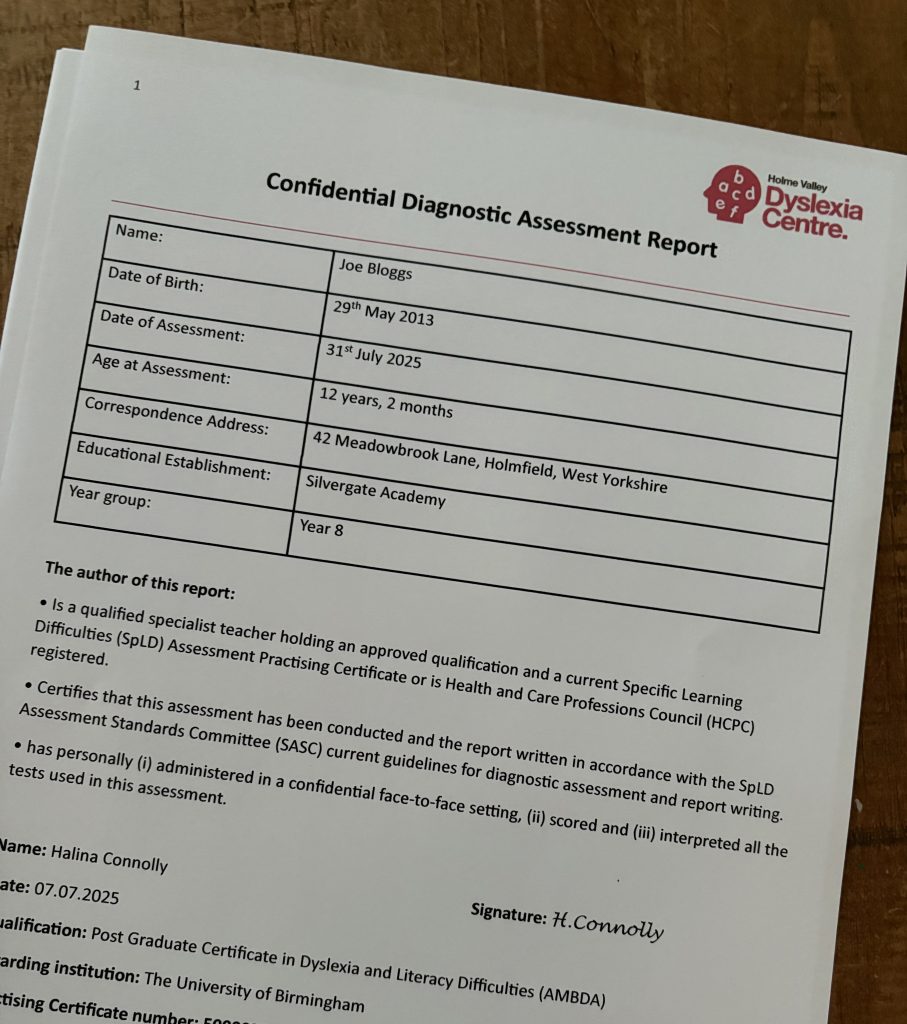
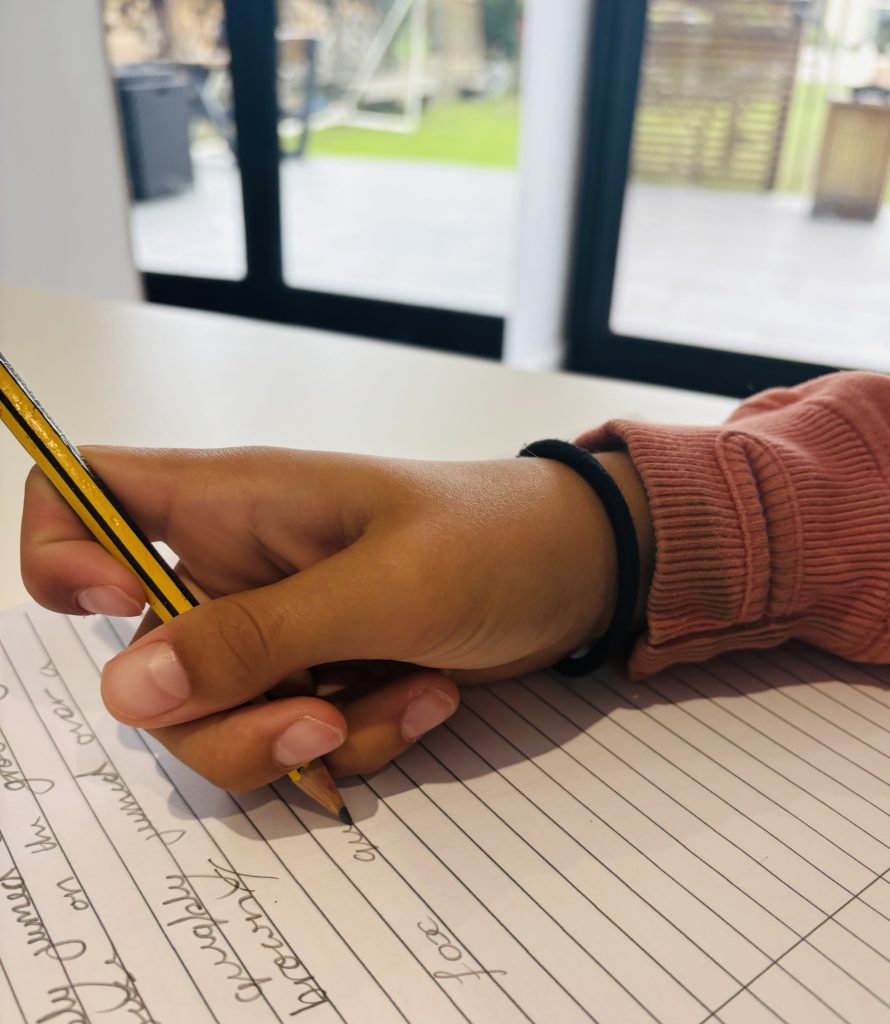
A full diagnostic assessment is much more detailed. It investigates both cognitive and literacy skills, explores the underlying causes of difficulties, and provides a formal diagnosis where appropriate. It also includes tailored recommendations to support your child at home and in school.

Will my child feel nervous during the assessment?

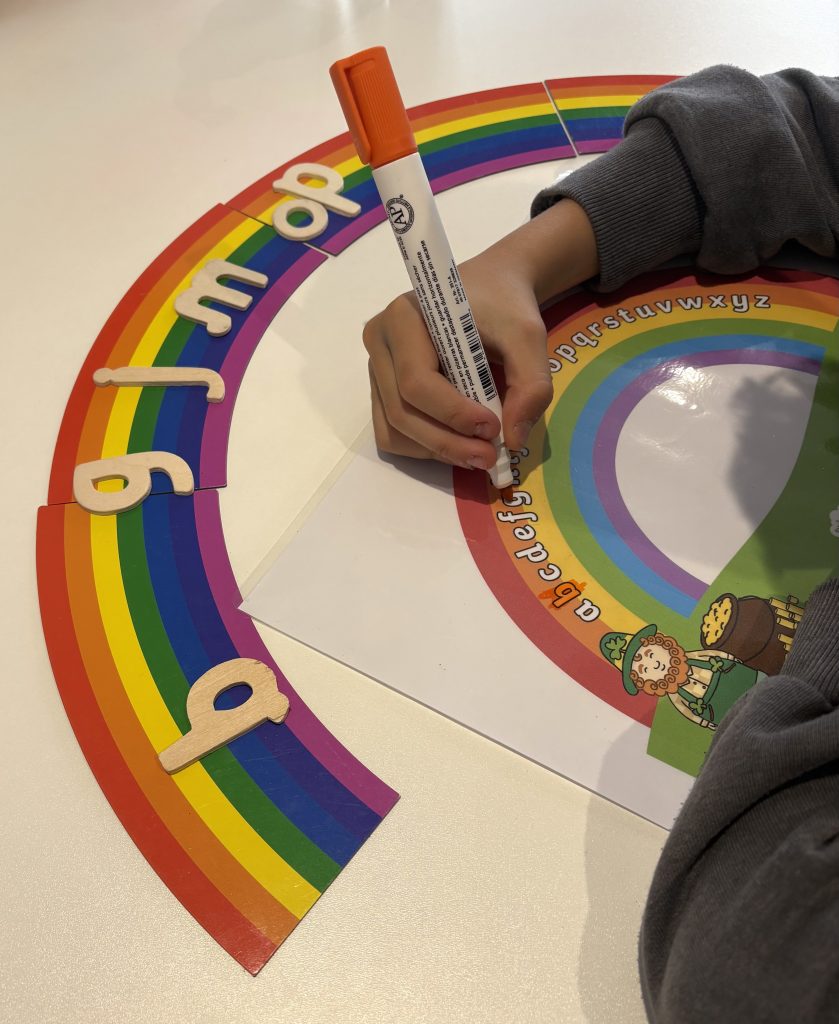
It’s completely normal for children to feel a little unsure at first, but most relax quickly once they realise it’s not like a school test. The assessment is made up of short, interactive activities, puzzles and questions that help me understand how your child learns best.

There’s plenty of time for breaks, and I make sure every child feels comfortable and supported throughout. Many actually enjoy the one-to-one time and leave feeling proud of what they’ve achieved.

What happens after the assessment?

You will receive a detailed written report within four weeks. This includes:

  • A clear summary of your child’s learning strengths and difficulties

  • Standardised test results explained in plain language

  • How these findings relate to the 2024 Delphi definition of dyslexia

  • Practical recommendations for school and home support

The report is designed to be shared with your child’s school so they can put the right strategies in place and, if needed, apply for exam access arrangements.

I also offer an optional feedback session to go through the results with you. This gives you the chance to ask questions and feel confident about the findings and the next steps for your child.

Do you offer support after the assessment?

I offer additional support to help you make the most of the assessment results. This can include:

  • One-to-one multi-sensory dyslexia tuition, tailored to your child’s needs

  • Practical advice on putting the report’s recommendations into practice at school or home

  • Liaison with your child’s school or, where appropriate, an employer, to explain the findings and support suitable adjustments

Follow-up services are optional and charged at £60 per hour.